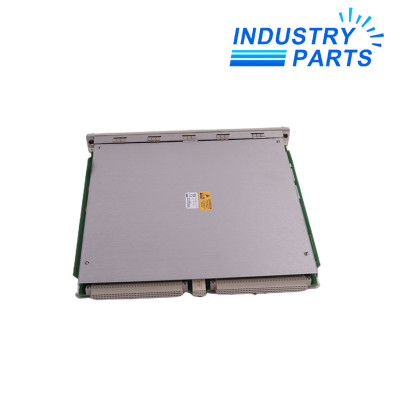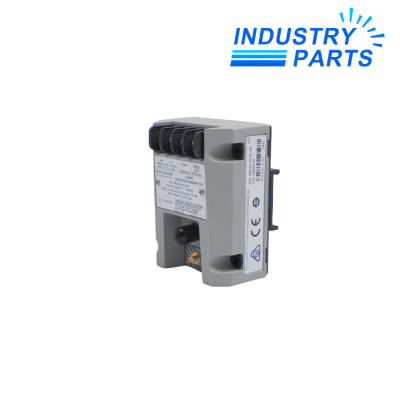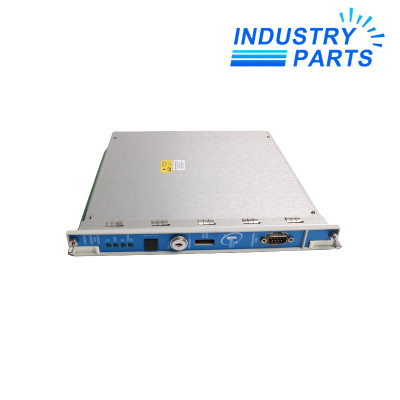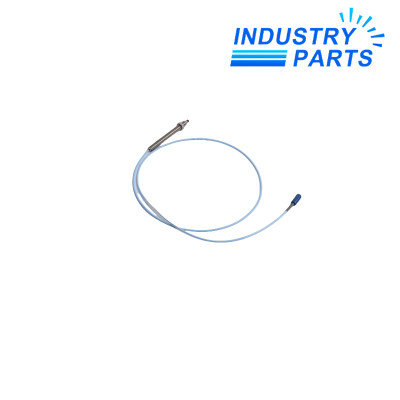

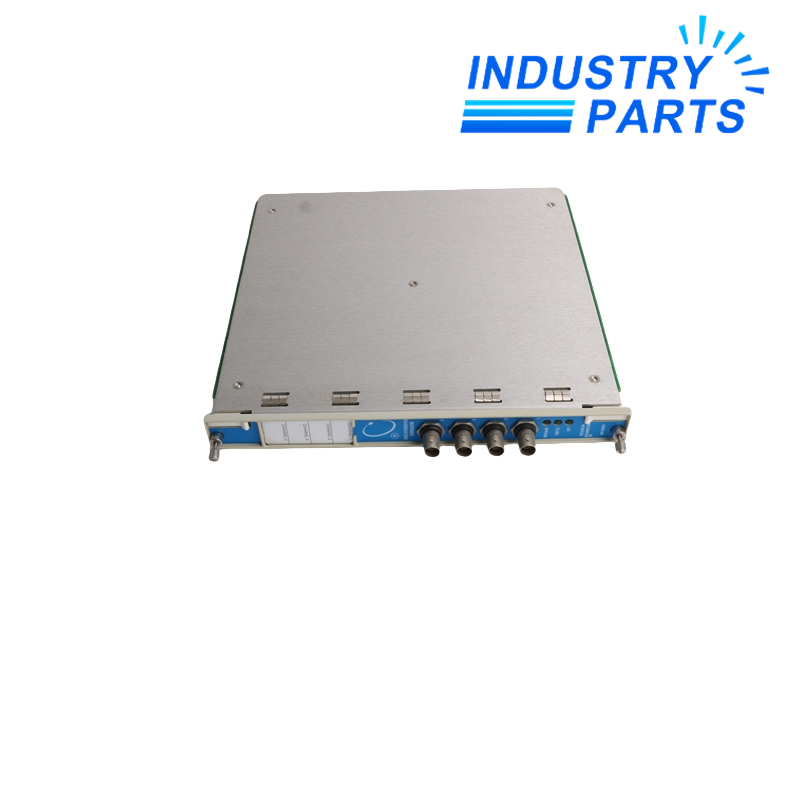
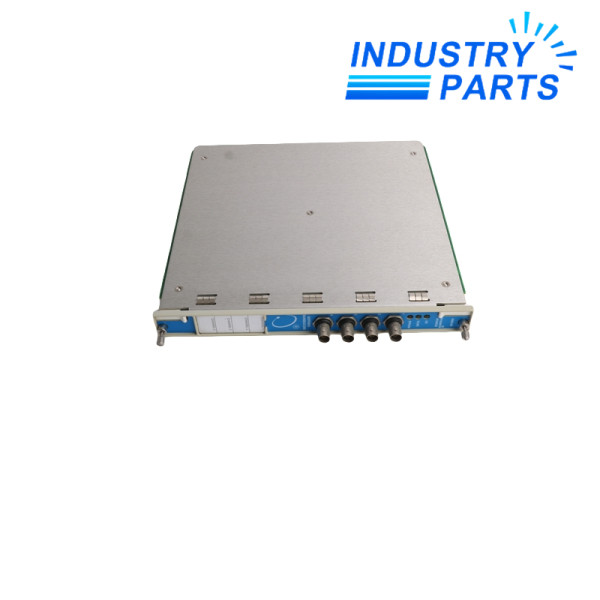
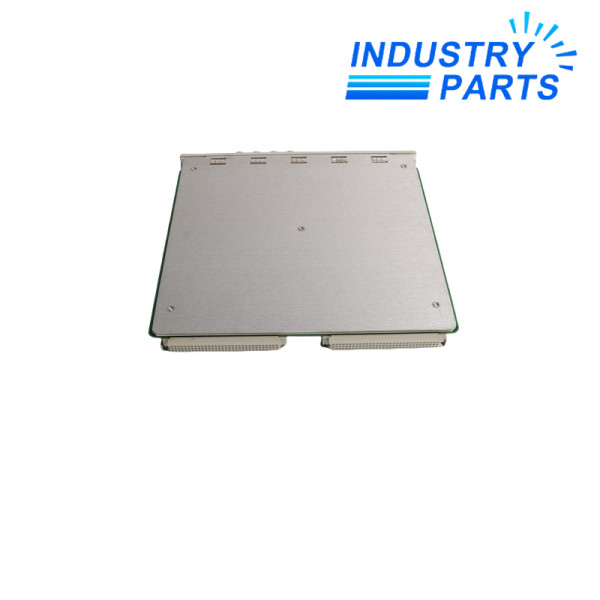
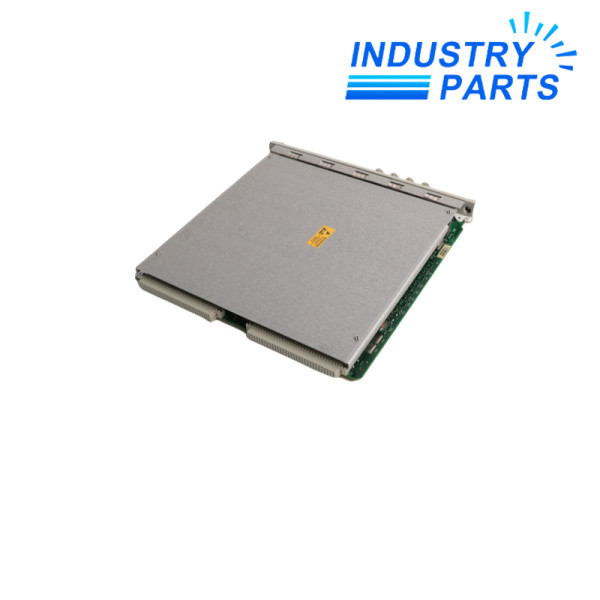
Bently Nevada 3500/40 Proximitor Monitor Module
The original four-channel 3500 proximity-input monitor, identified separately from the later 3500/40M execution.
Overview
3500/40 is the legacy Bently Nevada Proximitor Monitor Module for the 3500 machinery protection platform. Baker Hughes documentation identifies it as a four-channel monitor accepting Proximitor inputs and distinguishes it from the later 3500/40M product.
The exact nameplate identity does not contain the M suffix and must remain 3500/40. Correct service work requires the rack slot, rear I/O assembly, transducer system and saved rack configuration rather than a family-name match alone.
Specs
| Manufacturer | Bently Nevada, a Baker Hughes business |
|---|---|
| Exact Model | 3500/40 |
| Product Family | 3500 Machinery Protection System |
| Product Type | Legacy Proximitor Monitor Module |
| Input Channels | Four proximity-transducer channels |
| Input Class | Bently Nevada Proximitor system signals |
| Documented System Interface | 3500 rack backplane and matching I/O hardware |
| Galvanic-Isolator Context | Four-channel 3500/40 Proximitor monitor connection is documented in the 3500 System isolator data |
| Configuration Record | Rack slot, channel type, scale, alarm setpoints and voting or relay logic |
| Identity Boundary | Do not normalize 3500/40 to 3500/40M |
| Replacement Evidence | Front label, rear I/O label, rack revision and configuration backup |
| Acceptance | Channel diagnostics, gap or bias values, scale, alarms and relay path verification |
Features
Accepts four Proximitor measurement inputs in one 3500 rack monitor position.
Conditions proximity-transducer signals for machinery protection monitoring.
Connects monitored conditions to the rack alarm and relay architecture through the saved configuration.
Maintains a distinct legacy hardware identity that prevents accidental 3500/40M substitution.
Applications
- Legacy 3500 racks with an installed 3500/40 front monitor and matching rear I/O hardware.
- Non-contact shaft vibration or position channels already engineered for the associated Proximitor systems.
- Maintenance projects where existing alarm logic and channel baselines must remain traceable.
Lifecycle
- Export the 3500 rack configuration and record every channel assignment before removal.
- Photograph the front module, rear I/O assembly, rack slot, transducer-system labels and field terminals.
- Use the exact legacy replacement or a documented Baker Hughes migration path; do not infer interchangeability from the 3500/40M name.
- After service, verify channel diagnostics, static values, scale, alarm setpoints and every affected protection output.
FAQ
Can 3500/40 be replaced automatically by 3500/40M?
No. Treat 3500/40 and 3500/40M as different hardware identities until Baker Hughes documentation confirms the rack, I/O and configuration migration.
Which photographs are needed to quote 3500/40 correctly?
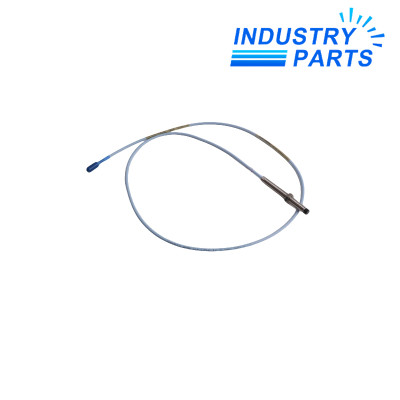
Provide the front label, rear I/O label, rack slot, terminal wiring and every connected probe, extension cable and Proximitor label.
What configuration must be saved before changing 3500/40?
Retain channel types, scale factors, gap or bias references, alert and danger settings, voting logic and relay assignments.
Why can a healthy replacement 3500/40 still show bad channels?
A mismatched probe system, rear I/O assembly, wiring polarity, scale or rack configuration can produce faults even when the monitor itself is functional.
How should 3500/40 be accepted after replacement?
Compare static values and slow-roll behavior with the healthy baseline, then test diagnostics, alarms and the complete protection-output path.
Recommended Models
| AM3032-0D41-0000 | NTPS-24-1.3 | TFL-80-45-241-900-T |
| HDHSZ400 | Schmersal SLB 200 E31-21 | TRUMPF 2655705 |
| PSR-SCP 24DC/ESP4/2X1/1X2 PSR-ESP4 | F72G-3GN-AE3 | DF5 |
| QVE1900 | ARD-SER10-WI | APS-AEC21-PSU1 |
| P18G4924 | R901057920 ABZMS-35-1X/165F085S-T70F-K24 | SEW R107 DRN160L4/TF/V |
| FS-N14P | Omega50 | VT9611D3100-BACnet |
| HTE200B20C2 | TC-G120-F06E-1BIB-ZZSP-K1ZZZ-ZZ00 | BMXDDI1602H |
| D950EF-00 | SV 3427.010 | OSC20-M0W |
| 6ES7136-6BA00-0CA0 | 8827790000 | 193-TAC10 6-10A |
| MH1054508519S2165A74 | CPP40 | CP-DSKCH-7925G |