

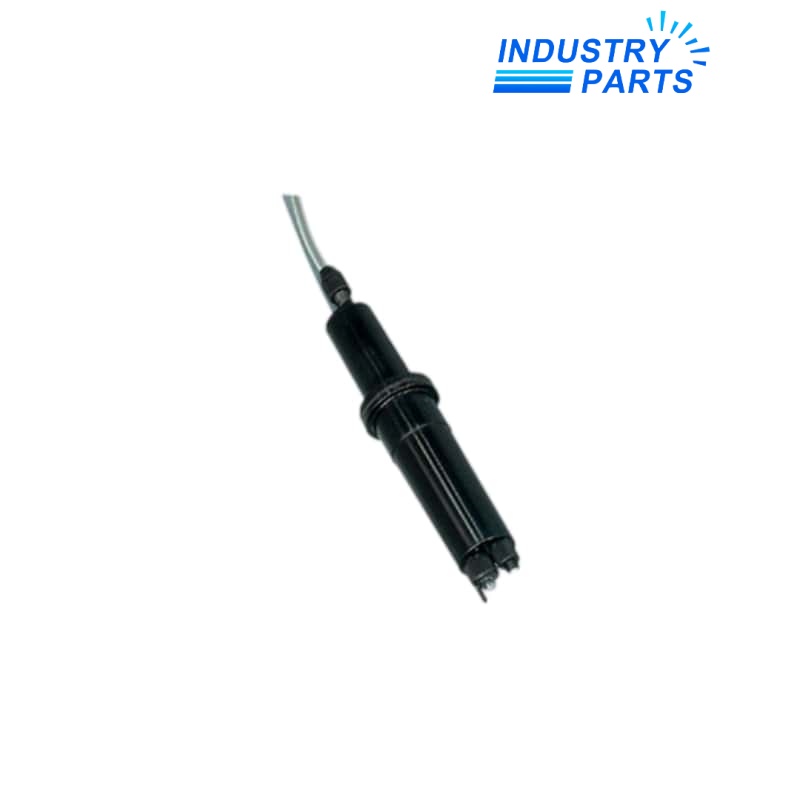

Yokogawa PH8HF Flow-Through pH/ORP Sensor Holder
A flow-through holder for compatible Yokogawa pH and ORP sensors, available in polypropylene or 316-stainless-steel-equivalent construction.
Key Information
PH8HF is Yokogawa's flow-through holder for general-purpose and specified special pH/ORP sensors. It provides an in-line measurement chamber with material and cleaning choices matched to the process.
The holder can be mounted on a 2-inch pipe in vertical or horizontal orientation. Selection must retain holder material, sensor type, process connection, temperature and pressure conditions, and any jet, brush or ultrasonic cleaning arrangement.
Functions
- Holds the compatible pH or ORP sensor in a controlled flow-through process path.
- Supports 2-inch vertical or horizontal pipe mounting with the specified hardware.
- Allows selection of polypropylene or stainless-steel-equivalent 316 construction.
- Supports no-cleaning, jet-cleaning, brush-cleaning or ultrasonic-cleaning arrangements.
- Keeps sensor access and process isolation organized for routine calibration and maintenance.
Specifications
| Manufacturer | Yokogawa |
|---|---|
| Model | PH8HF |
| Product Type | Flow-through pH/ORP sensor holder |
| Compatible General pH Sensors | PH8ERP, PH8EFP, PH8ERG, PH8EFG |
| Compatible Special pH Sensors | HA405, DPA405, HF405 |
| Compatible General ORP Sensors | OR8ERG, OR8EFG |
| Compatible Special ORP Sensors | HA485, DPA485 |
| Holder Materials | Polypropylene or stainless steel equivalent to 316SS |
| Mounting Bracket | 304SS-equivalent hardware for 2-inch pipe |
| Process Flow Rate | 3 to 11 L/min |
| Process Pressure | Atmospheric pressure to 500 kPa |
| No-Cleaning Temperature | -5 to 80 °C polypropylene; -5 to 105 °C stainless steel |
| Cleaning-Equipped Temperature | -5 to 80 °C |
| Cleaning Options | Jet, brush or ultrasonic |
| Approximate Holder Weight | 0.5–1.5 kg polypropylene; 1.5–11.5 kg stainless steel, depending on configuration |
Installation
- Confirm the exact sensor model and holder material before specifying PH8HF.
- Check process pressure, temperature, chemical compatibility and flow direction against the selected construction.
- Mount on the 2-inch pipe with enough clearance for sensor withdrawal, calibration and cleaning maintenance.
- Provide the required isolation and depressurization method before opening the holder.
- After installation, check leakage, establish 3–11 L/min flow and calibrate the installed pH or ORP loop.
Lifecycle
- Inspect seals, wetted surfaces, mounting hardware and cleaning components at intervals appropriate to the process.
- Record holder material, sensor model, cleaning method and process limits with the loop documentation.
- Replace seals using materials compatible with the process and the selected holder execution.
- Review deposits, response time and calibration history to determine the cleaning interval.
FAQ
Which details are required to quote PH8HF?
Provide the installed sensor model, holder material, process connection, temperature, pressure, fluid compatibility, pipe orientation and required cleaning method.
Can PH8HF be selected only from the pipe size?
No. Sensor compatibility, wetted material, process conditions, cleaning option and maintenance clearance are equally important.
What isolation provisions should accompany PH8HF maintenance?
The site should provide a safe way to stop flow, depressurize and drain the holder before the sensor or cleaning assembly is removed.
How should PH8HF be checked after reassembly?
Inspect seals and threads, perform a controlled leak test, restore the target flow and verify the complete analyzer loop with calibration standards.
When should the PH8HF cleaning option be reconsidered?
Review it when coating, slow response or frequent calibration occurs; process solids and chemistry may justify jet, brush or ultrasonic cleaning.


